The lights dip, the fridge stops humming and the house goes strangely quiet. In most UK power cuts the lights are back on before you have finished hunting for a torch — but not always. What you do in the first hour decides whether it is a mild inconvenience or a cold evening spent dealing with spoiled food and a dead phone. Here is a calm, practical order of events, whether you live in a flat, a terrace or a farmhouse.
Work out what has actually happened
Start at the window. If the street lights are out and the houses opposite are dark, it is almost certainly a network fault and there is nothing inside your home to fix. If your neighbours' lights are on and yours are not, the problem is probably your own supply.
Next, look at the consumer unit — the fuse box — usually in a hall cupboard, under the stairs or in a garage. A tripped switch will be sitting in the down or off position. If it trips again the moment you reset it, leave it alone and call an electrician: something on the circuit is faulty, and repeatedly resetting a switch that will not hold is a fire risk. If you can smell burning or see scorch marks, keep well away and call for help.
If you are on a prepayment meter, check whether the credit has run out. A blank display may simply mean the meter has no power rather than pointing to a wider fault.
Light, without setting the house on fire
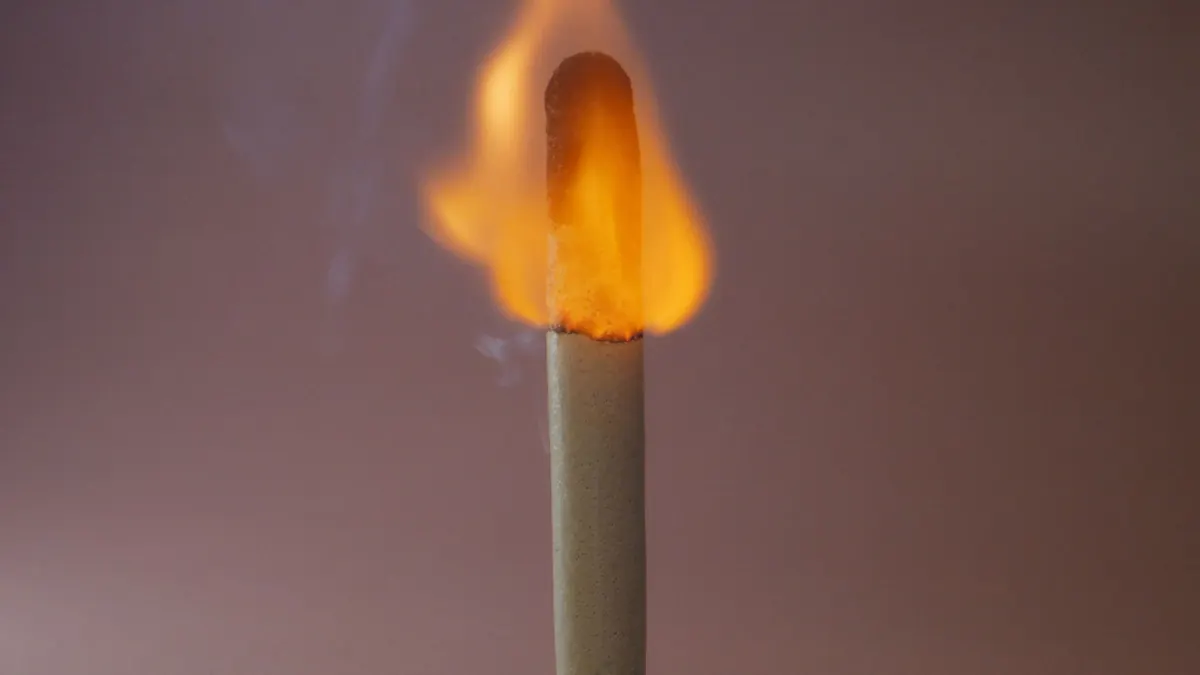
Reach for a torch rather than a candle. Candles in a dark, unfamiliar house are a reliable way to start a fire: they get knocked over, set light to curtains, and are forgotten when someone falls asleep. If there is no torch to hand, your phone will do for a while, but it drains the battery you may want later.
Keep torches where you can find them in the dark — a hall table, a bedside drawer, the kitchen. Now is also a good moment to unplug televisions, computers, games consoles and anything else expensive. When power returns there is often a brief surge, and sensitive electronics are better off disconnected. It also means the system is not hit by everything switching back on at once.
Leave the fridge and freezer alone
The temptation is to open the fridge door to see what you have. Do not. Every time you open it, cold air spills out and warm air moves in, and a closed fridge will hold its temperature for a few hours if it is left shut.
A freezer is more forgiving, especially if it is full, because the frozen food insulates itself. Keep the door closed and resist the urge to rummage. If the power stays off for hours, the rule is simple: food that has been warm for a long time goes in the bin.
Do not taste food to check whether it is still safe. If you are unsure about an item, throw it out.
The Food Standards Agency publishes guidance on food safety after a power cut if you want the detail, and a cheap fridge thermometer takes the guesswork out of it. If you are worried about defrosting meat, a cool bag with a couple of ice packs buys time, and a neighbour with working power may be able to take some of it.
Heating, hot water and staying warm
Most gas boilers will not run during a power cut. They need electricity for the pump, the fan and the controls, so a house with gas can still be a house with no heating and no hot water. Check before you assume the boiler has broken.
Dress for it: layers, thick socks, a hat indoors if it is really cold, blankets on the sofa, and a hot water bottle if you can heat water safely. If you have a gas hob you can usually light it with a match, but that hob is for cooking only. Do not use a gas oven, a camping stove or a barbecue to heat a room — they give off carbon monoxide, which is invisible and can kill. Never bring a barbecue or camping stove indoors, into a garage or into a tent. The same applies to petrol generators, which must stay outside and be connected properly, never plugged into a household socket.
If you have a fireplace or wood burner, keep the room ventilated and never leave the fire unattended.
Phones, updates and the number 105
Cordless landline handsets need mains power, so they will be dead. A basic corded phone plugged into the master socket may still work — unless your phone service runs over a full-fibre broadband line, in which case check whether it has a battery backup.
Make your phone last: dim the screen, switch on battery saver, close apps you are not using and skip video. If the mobile network is congested, send a text instead of calling, and send one message to the people who will worry rather than several.
Call 105 — the free national number for power cuts in England, Scotland and Wales — or check your network operator's website for updates. Northern Ireland has its own arrangements through NIE Networks. If anyone in the household is on the Priority Services Register, tell your supplier; it exists to help people who need extra support during an outage. A battery or wind-up radio remains the most dependable way to hear local news when the mobile signal is patchy.
Check on the people around you
Once your own household is settled, knock on a neighbour's door. Older people living alone, anyone with a baby, and households with someone unwell tend to struggle first.
Some situations need action rather than a chat. If someone relies on powered medical equipment at home, or needs refrigerated medicine, help them contact their GP, NHS 111 or, in an emergency, 999. Do not guess how long a medicine can be kept out of the fridge — ask a pharmacist or the prescriber. That conversation is far easier to have at four in the afternoon than at midnight.
The first hour, in short
If the power goes off while you are reading this, the order of events is straightforward.
- Look outside and check whether the whole street is dark or just your home.
- Find a torch and unplug sensitive electronics.
- Leave the fridge and freezer doors shut.
- Report the fault on 105 and look for updates.
Photo: Tima Miroshnichenko / Pexels